Board of Directors
The NAAHDRI Board of Directors consists of elected members who represent the member centers, institutes, and laboratories of NAAHDRI. NAAHDRI’s current Board of Directors includes:
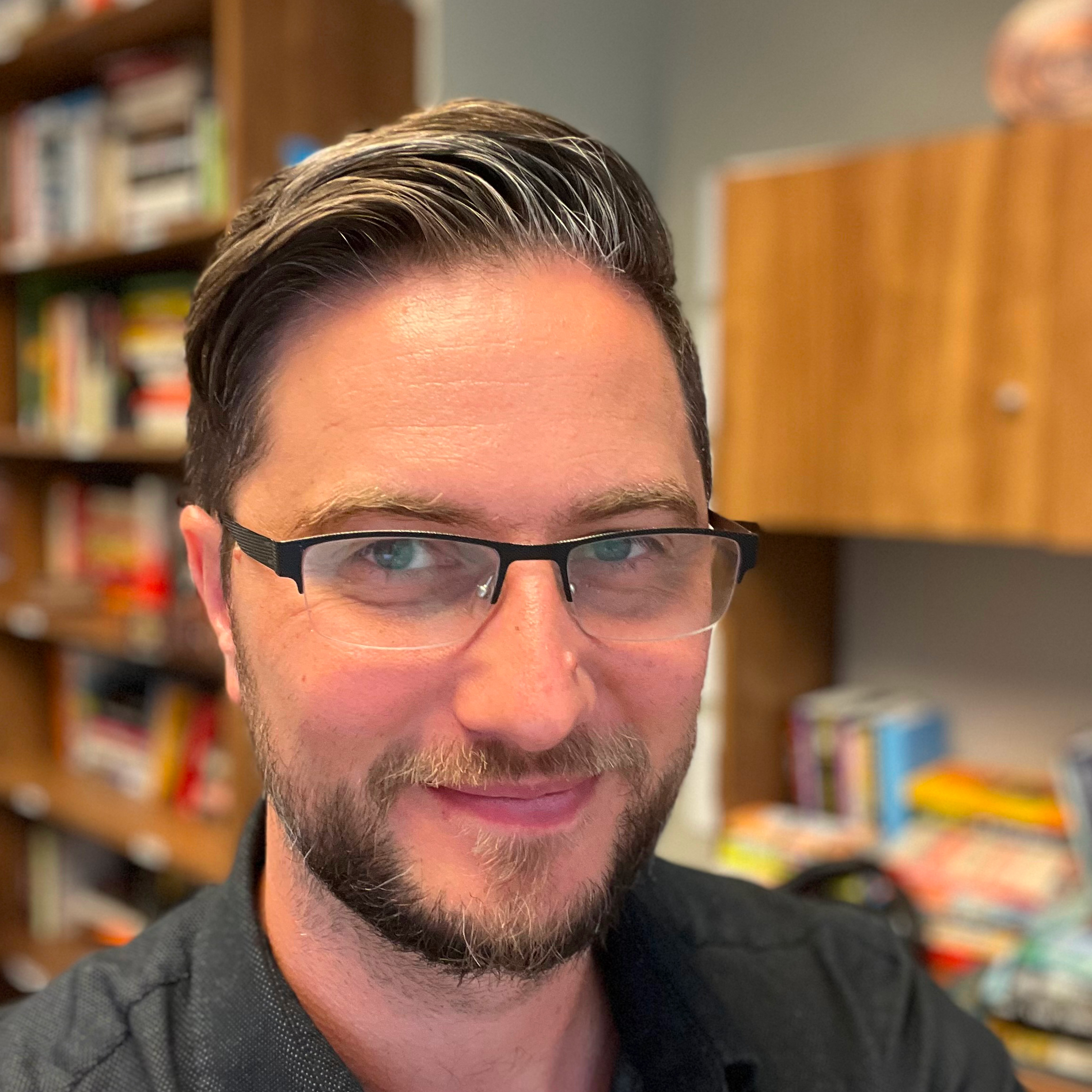
Jason Von Meding, Chair of the Board, 2025-2029 is an architect turned disaster studies author and educator who centers the experiences, knowledges, and strengths of affected communities in his work. He focuses on how injustice and inequality create uneven and discriminatory disaster risk in society, and how local collaborative work can affect change. He is an associate professor and a founding faculty member of the Florida Institute for Built Environment Resilience (FIBER) at the University of Florida. He has 15 years of experience of leading interdisciplinary research, pedagogy, and practice around the world. He is director of GatorCorps, an AmeriCorps program emerging from the work of FIBER and starting up in 2023. He is also the co-host of the Disasters: Deconstructed Podcast, a public education endeavor since 2019. Outside of work, he enjoys reading, cooking for family/friends, playing soccer in the Gainesville, Florida rec league, being a robotics coach, doing martial arts, speedcubing, and learning the Vietnamese language.
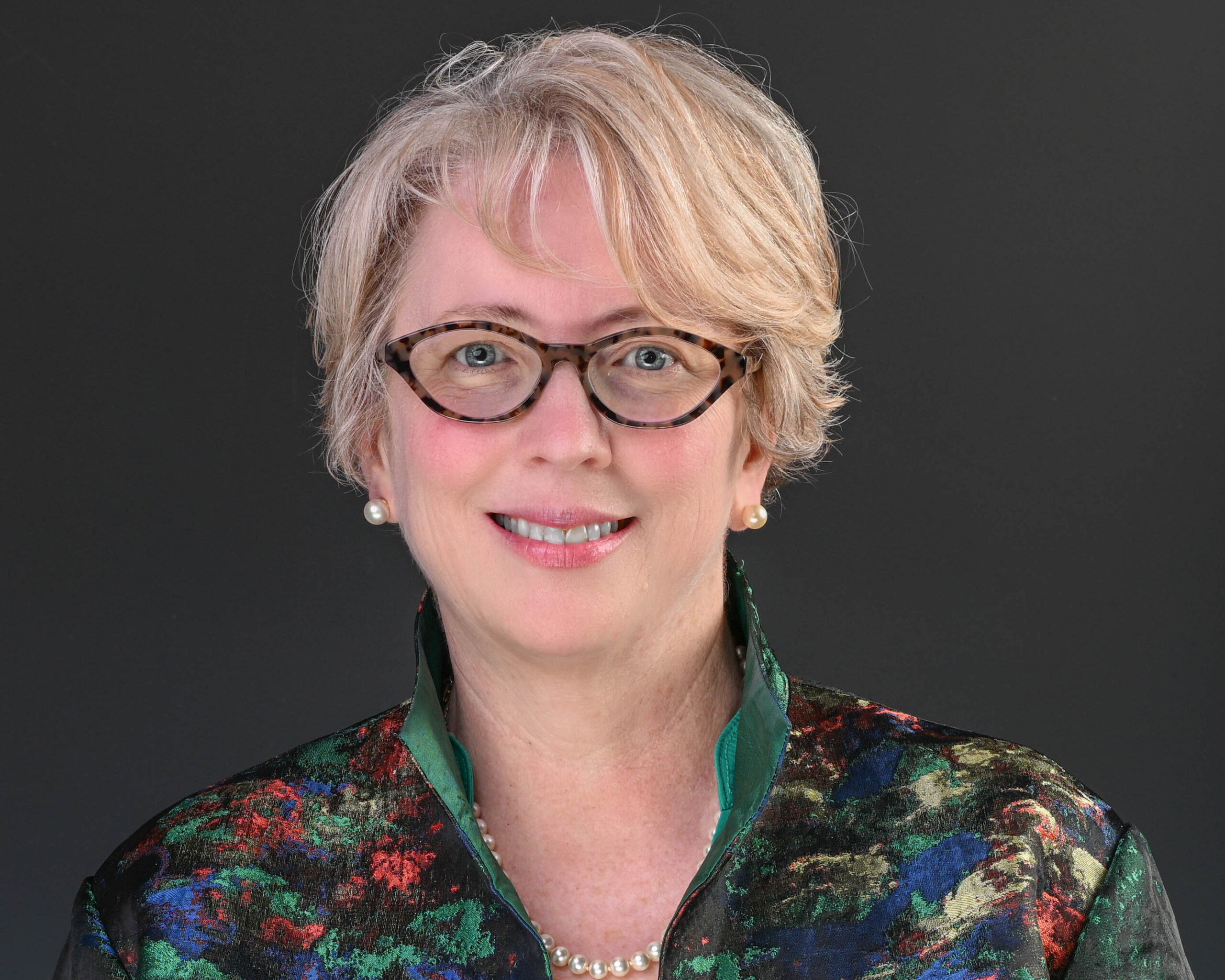
JoAnn Browning is the Lutcher Brown Distinguished Chair and Professor of Civil Engineering at the University of Texas at San Antonio (UTSA). Previously she served as Vice President for Research (2023-2025) and Dean of UTSA’s Margie & Bill Klesse College of Engineering and Integrated Design (2014-2023). Dr. Browning has helped lead NSF NHERI NCO since 2015. Purdue University named her a Distinguished Woman Scholar (2015) and bestowed a Civil Engineering Alumni Achievement Award (2024). In 2018 she received the San Antonio Business Journal Women’s Leadership Award, in 2024 she was elected to the San Antonio Women’s Hall of Fame, and in 2024 was named a Distinguished Member of the American Society of Civil Engineers. She is a PE in Kansas and Texas and currently chairs ACI 318 Building Code Committee. She also serves on the Board of Directors for NIBS BSSC (Vice Chair) and of NSF AURA NMOC.

Dr. Kimberley I. Shoaf is a Professor in the Division of Public Health at the University of Utah and the Executive Director of the Rocky Mountains & High Plain Center for Emergency Public Health. She has more than 30 years of experience in public health practice including experience as a health educator, trainer, and researcher. She has particular expertise in program planning and evaluation applicable to both general public health practice and emergency public health. She has worked with more than 50 local health departments in preparing for responding to disasters through training, assessments, and exercises as well as in writing of plans. She has both a research and an educational focus on workforce development within public health and primary care. Dr. Shoaf received her Master of Public Health degree in Population and Family Health and a DrPH in Community Health Sciences from the Fielding School of Public Health at the University of California, Los Angeles.
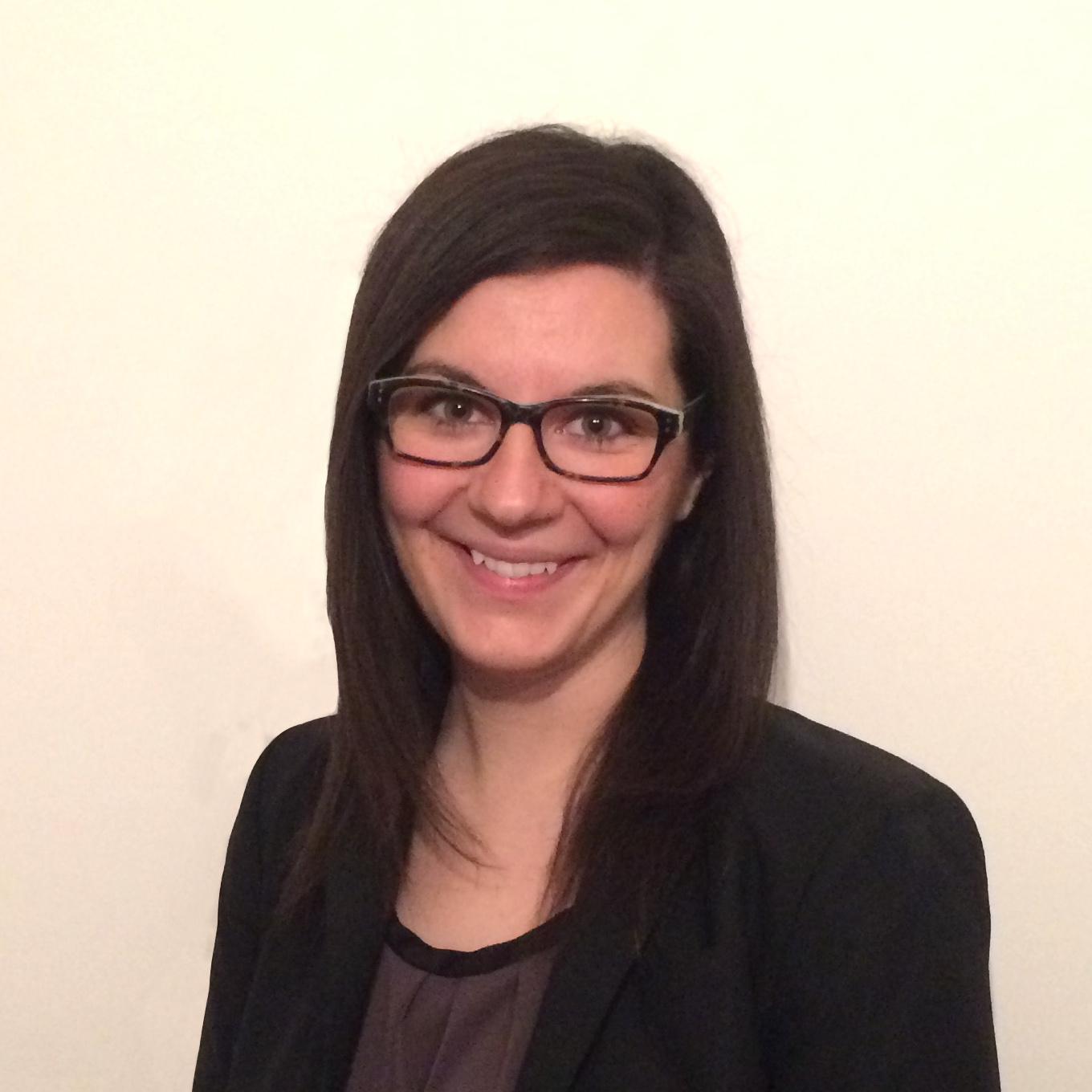
Sophie Guilbault is the Director of Partnerships at the Institute for Catastrophic Loss Reduction (ICLR), a multi-disciplinary disaster prevention research institute affiliated with Western University, Canada. Over the past 10 years, Sophie has developed expertise in municipal adaptation to climate change including the publication of 100 case studies describing communities successfully adapting to extreme weather events. Her role has also allowed her to collaborate with Canadian communities as they rebuild stronger homes and infrastructure following extreme weather events. Sophie was a contributing author to several reports including Canada in a Changing Climate: National Issues Report (Cities and Town chapter). Beyond her responsibilities at ICLR, Sophie was elected as the Vice-President of the Canadian Risks and Hazards Network (CRHNet).
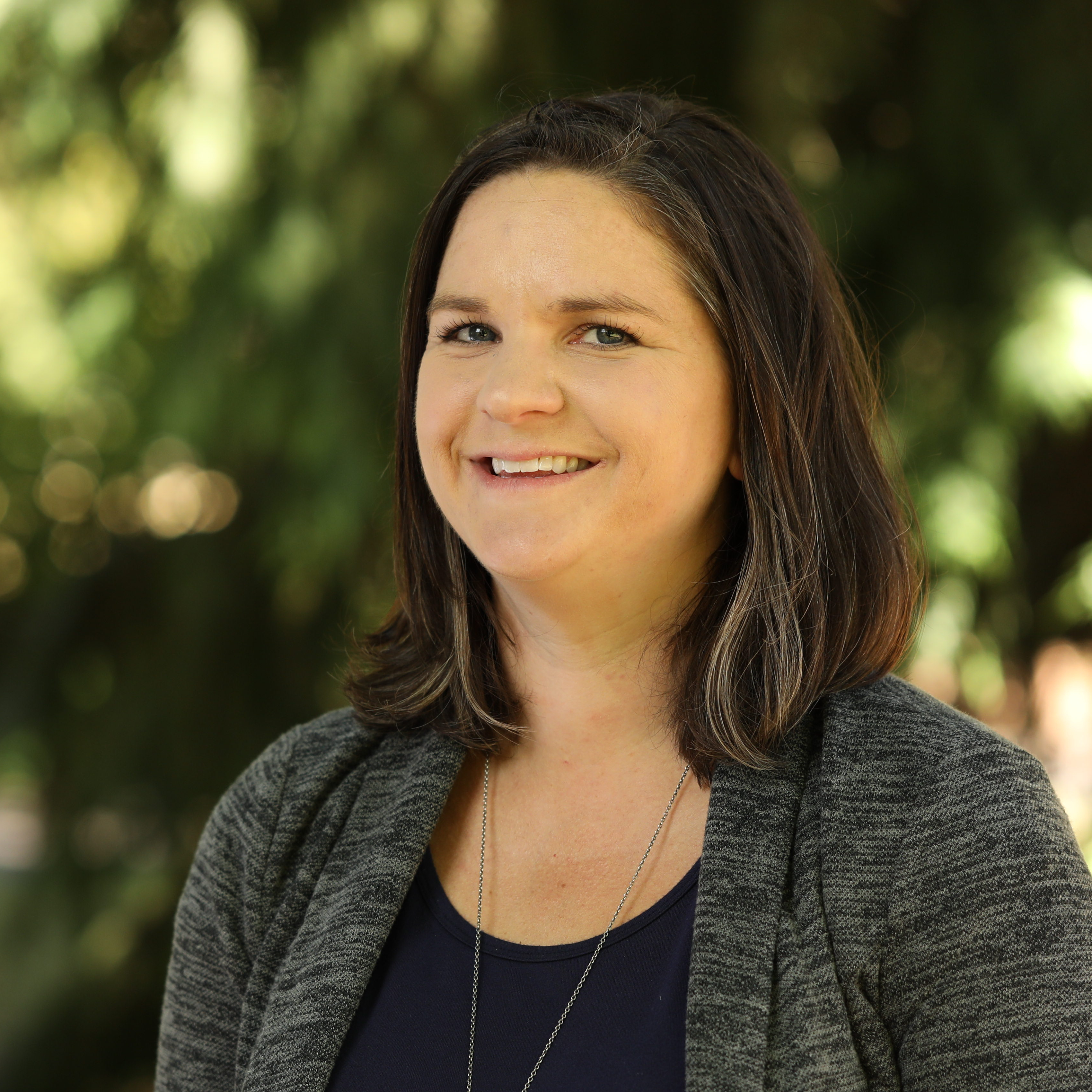
Heidi Huber-Stearns is Associate Research Professor, Director of the Ecosystem Workforce Program (EWP), and Director of the Center for Wildfire Smoke Research and Practice in the Institute for Resilient Organizations, Communities, and Environment at the University of Oregon. The EWP is a bi-institutional program between University of Oregon and the College of Forestry at Oregon State University. EWP conducts applied social science research and extension services at the interface of people and natural resources. Heidi is interdisciplinary social scientist, with expertise in environmental governance and linking science to action through strategic and diverse partnerships. Her work focuses on boundary spanning to address wildfire risks and watershed vulnerabilities in at-risk communities, particularly in the western United States. Heidi is an associate editor for Society and Natural Resources, and part of the Smoke Ready Communities Group, organized by Oregon State University. She also serves on the Northwest Fire Science Consortium Management Team. Heidi also holds an appointment as a Visiting Associate Professor of Practice at the University of Michigan in the School for Environment and Sustainability, focused on the Western Forest and Fire Initiative.
Meghan Millea is a Professor of Economics at East Carolina University and the Education Director of the Coastal Hazards, Equity, Economics, and Resilience Research Hub funded by the National Science Foundation. Her research focuses on how regional and local economies recover from natural hazards. Being in eastern North Carolina, she engages directly with impacted communities to incorporate their knowledge, experiences, and priorities into her research. As the education director of the research hub, she works with scholars coming into the field, including mentoring them through their knowledge and skills development. Her work has been funded by NSF, NOAA, NASA, and the Department of Education to study flooding and hurricanes and to work directly with middle and high school teachers.
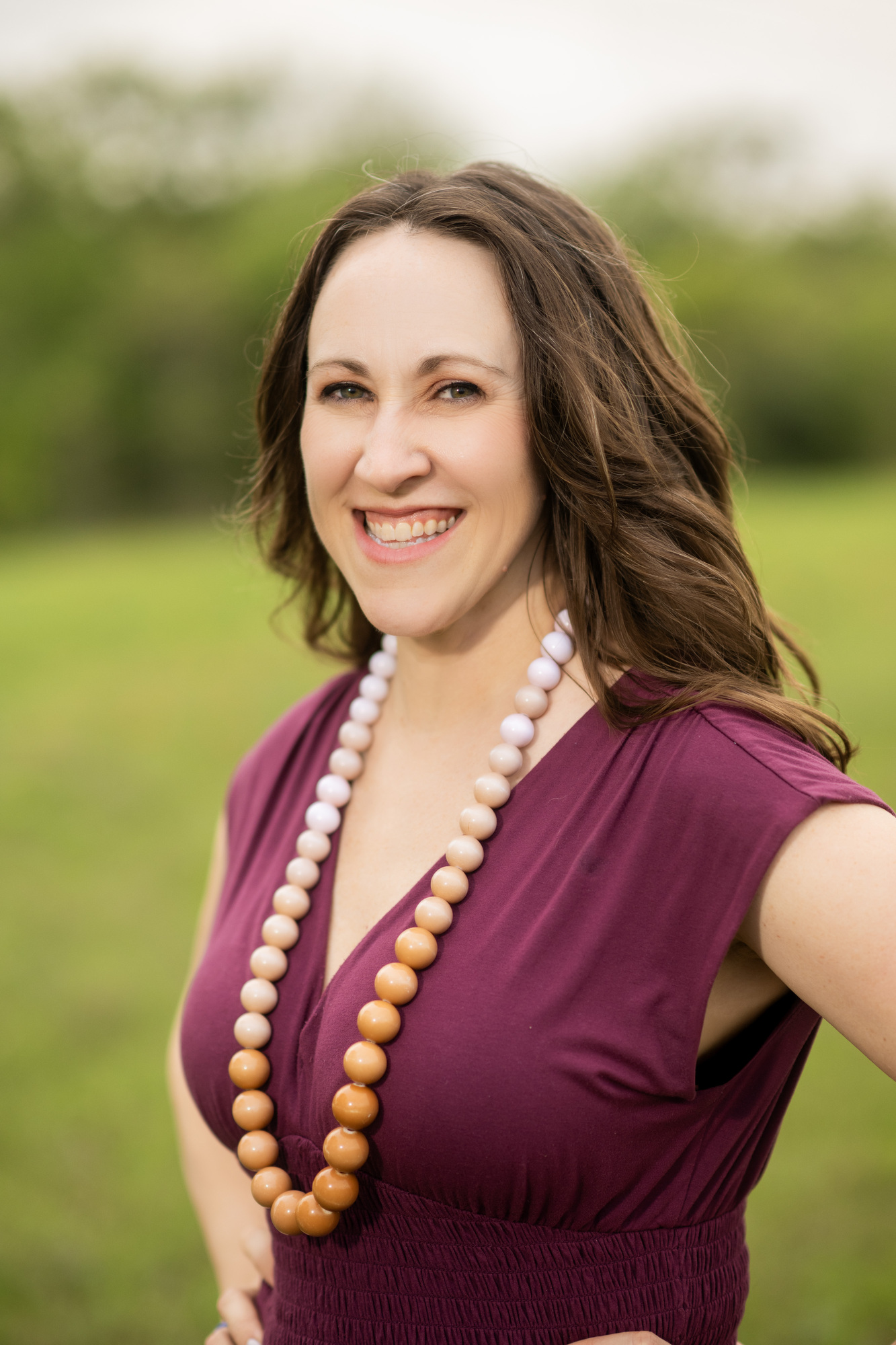
Michelle Annette Meyer is the Director of the Hazard Reduction and Recovery Center and an Associate Professor in the Landscape Architecture and Urban Planning Department at Texas A&M University. She received her Ph.D. in Sociology at Colorado State University (CSU). Michelle’s research interests include disaster recovery and mitigation, environmental and community sustainability, and the interplay between environmental conditions and social vulnerability. She uses the lens of social capital to understand how relationships between individuals and between governmental and nongovernmental organizations generate or hinder disaster risk and recovery. Hence, her interests have led her to research on volunteer organizations, volunteerism, and philanthropy in disaster. Michelle aims to generate research that contributes to communities’ capacity to be resilient in the face of environmental threats and do so in an equitable manner. Thus, she regularly collaborates with nonprofit organizations on applied research. She champions undergraduate research experiences, working with 30+ undergraduates including many first-generation students.
Former Chair of the Board of Directors
Paul Kovacs, Western University (2019-2021)
Grace Yan, Missouri University of Science and Technology (2021-2025)
Former Members of the Board of Directors
Jeffrey Freeman, National Center for Disaster Medicine and Public Health (2023-2025)
Carol Friedland, Louisiana State University (2021-2025)
David Eisenman, University of California, Los Angeles (2019-2023)
Melanie Gall, Arizona State University (2019-2021)
Karl Kim, University of Hawaii at Manoa (2019-2021)
Paul Kovacs, Western University (2019-2023)
Jamie Kruse, East Carolina University (2019-2021)
Selwyn E. Mahon (2019-2023)
Richard Olson (2019-2023)
John van de Lindt, Colorado State University (2019-2021)